What Is Profit and Loss?
Don't worry — accounting isn't scary. If you've ever checked whether you have money left after paying your bills, you already understand the core of profit and loss. This article just gives that idea a name.
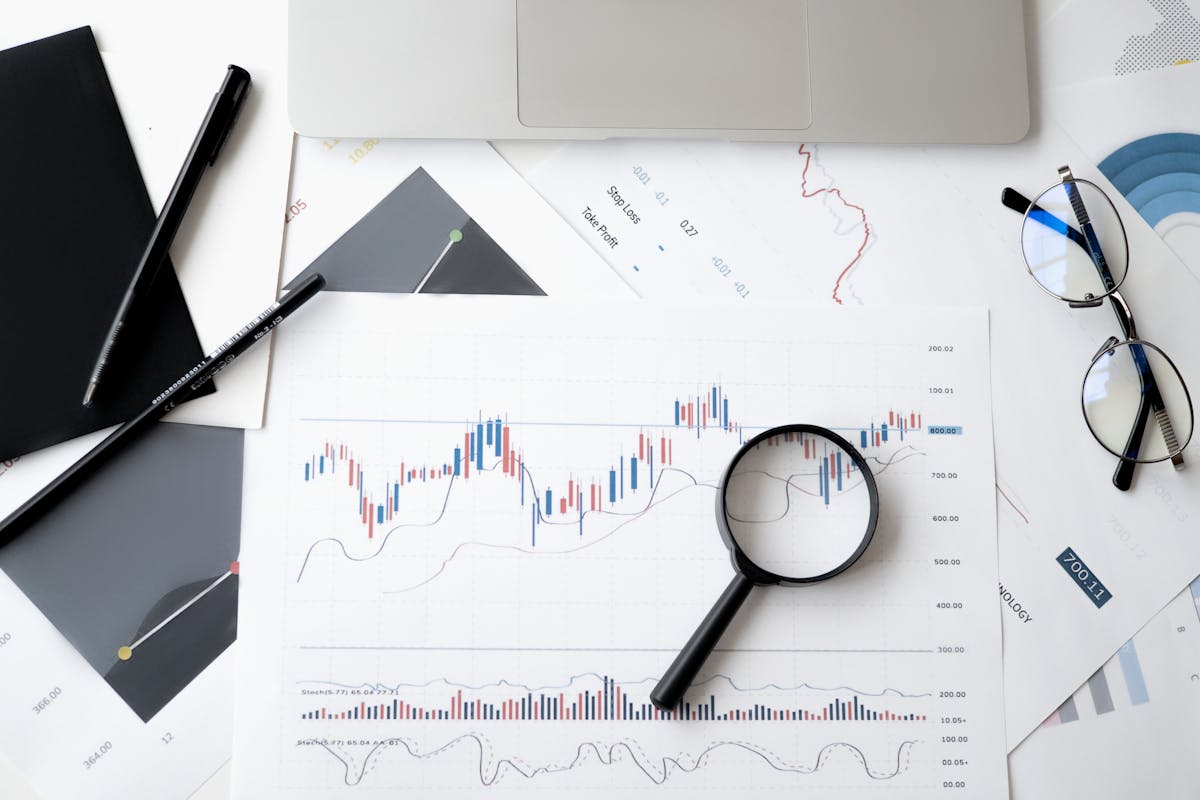
📷 Tracking income and expenses is the foundation of financial control
For Business
To know if you're making or losing money, where money goes, and whether to grow or cut back.
For Personal Finance
To track your income and spending — exactly like a business, just smaller scale.
Money Coming In
Your salary, sales, rent received, freelance payments
Money Going Out
Rent, food, transport, staff wages, bills
Income > Expenses
You earned more than you spent — great!
Income < Expenses
You spent more than you earned — time to review
| ?? Income | |
| Coffee & food sales | $4,200 |
| Catering orders | $800 |
| Total Income | $5,000 |
| ?? Expenses | |
| Rent | $1,200 |
| Staff wages | $1,500 |
| Supplies & ingredients | $900 |
| Utilities & other | $400 |
| Total Expenses | $4,000 |
| Net Profit | $1,000 ✅ |
Shop Owner
Tracks weekly sales vs costs to know if the business is viable
Freelancer
Calculates project income vs time and tool costs each month
Personal Life
Reviews salary vs total bills to find where money is wasted
Mixing personal and business money. Many small business owners use the same bank account for business and personal spending. This makes it impossible to know if your business is profitable — and causes big problems at tax time. Always keep them separate, even if the business is small.
You don't need to be an accountant to benefit from understanding profit and loss. Whether you run a business or manage your household, knowing your "personal P&L" gives you the power to make smarter decisions, reduce waste, and build real financial control.
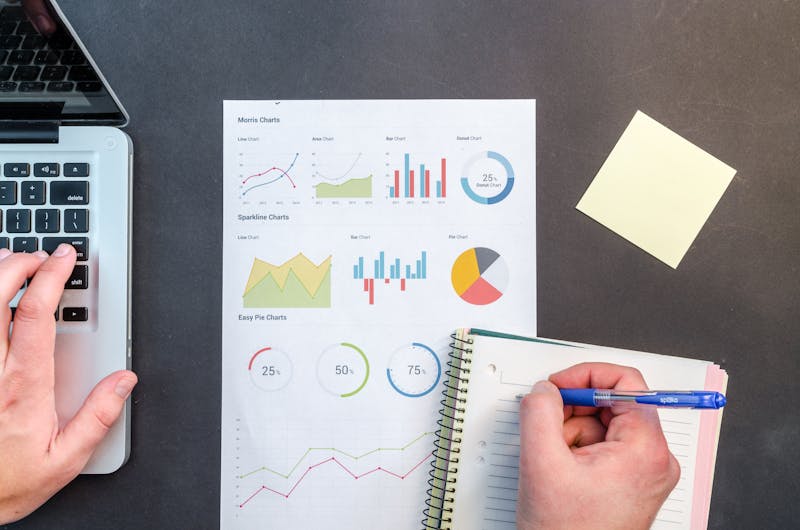
📸 A P&L statement helps any business understand its health
?? Simple Summary
Income − Expenses = Profit (or Loss)
Profit means you kept more than you spent — loss means the opposite
Everyone has a personal P&L, whether they track it or not
Tracking it gives you control — ignoring it leads to surprises