What Is Inflation?
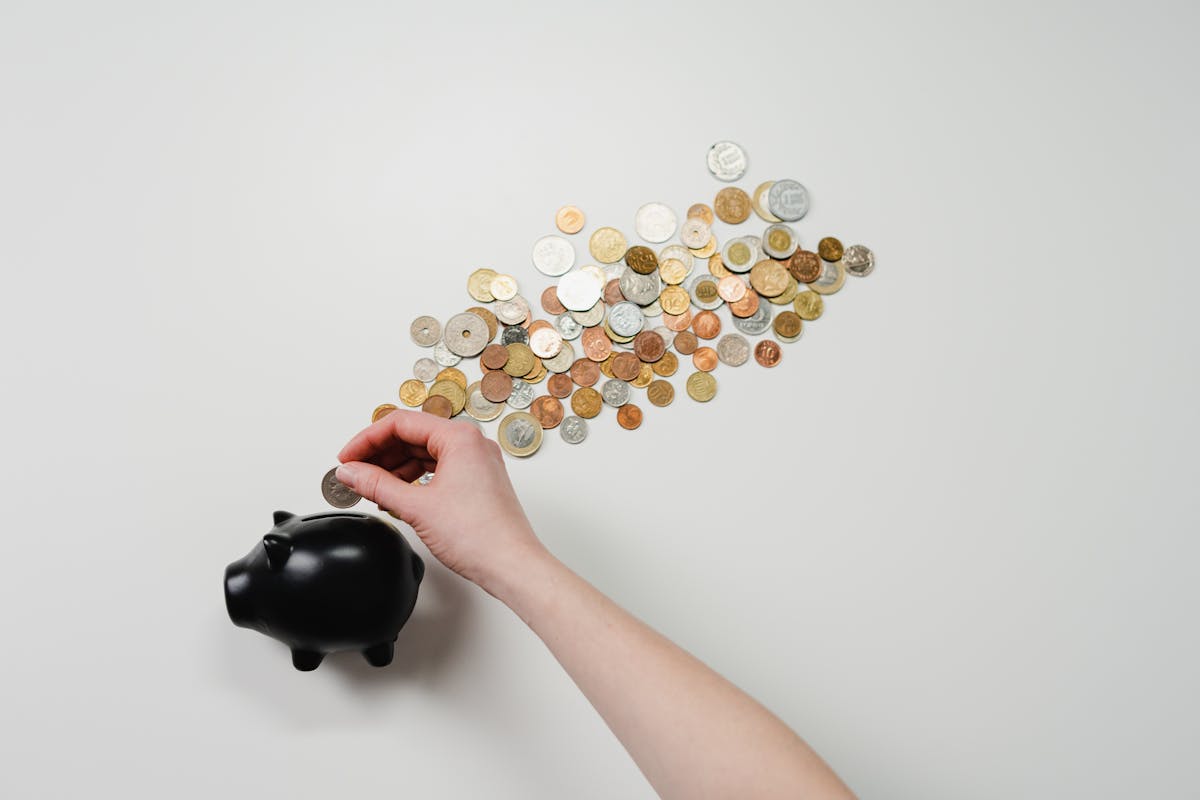
📷 Inflation silently erodes purchasing power year by year
Inflation means prices go up over time — so the same money buys less than it did before.
Inflation touches every part of your daily life — quietly, constantly. You might not notice it day to day, but over months and years, it changes what your money is actually worth.
If your salary stays the same but prices rise 5%, you've effectively had a pay cut — even though your payslip didn't change.
More money in the economy
Governments print money or people borrow and spend more.
Demand increases
More people chasing the same goods and services.
Sellers raise prices
When demand is high, businesses charge more — because they can.
Your money buys less
The same $100 in your wallet now covers less than it did last year.
Maria buys groceries every Saturday. In 2020, her weekly shop cost $80. By 2024, the exact same items cost her $105. Her salary only went up by $10/week. So even though she earns more, she actually has less money left over — that's inflation working silently in the background.
✅ Good Side
- ✅ Low inflation signals a growing economy
- ✅ Borrowers benefit — old debts become cheaper in real terms
- ✅ Businesses can charge more and invest more
❌ Bad Side
- ⚠️ Your savings lose value if interest rates are too low
- ⚠️ Fixed-income earners (retirees) are hit hardest
- ⚠️ High inflation causes economic instability
🚫 People think inflation only affects the poor. In reality, inflation affects everyone — but especially those whose income or savings don't grow as fast as prices do. Even wealthy people lose purchasing power if their money sits in a zero-interest account.
📸 Everyday grocery prices rise with inflation
?? Short Summary
Inflation = prices rise, money buys less over time
It affects groceries, rent, fuel — everything you spend on
A low, steady rate (2–3%) is normal and even healthy
To beat inflation: invest your savings, not just park them in a bank