How to Save Money Even With a Low Income
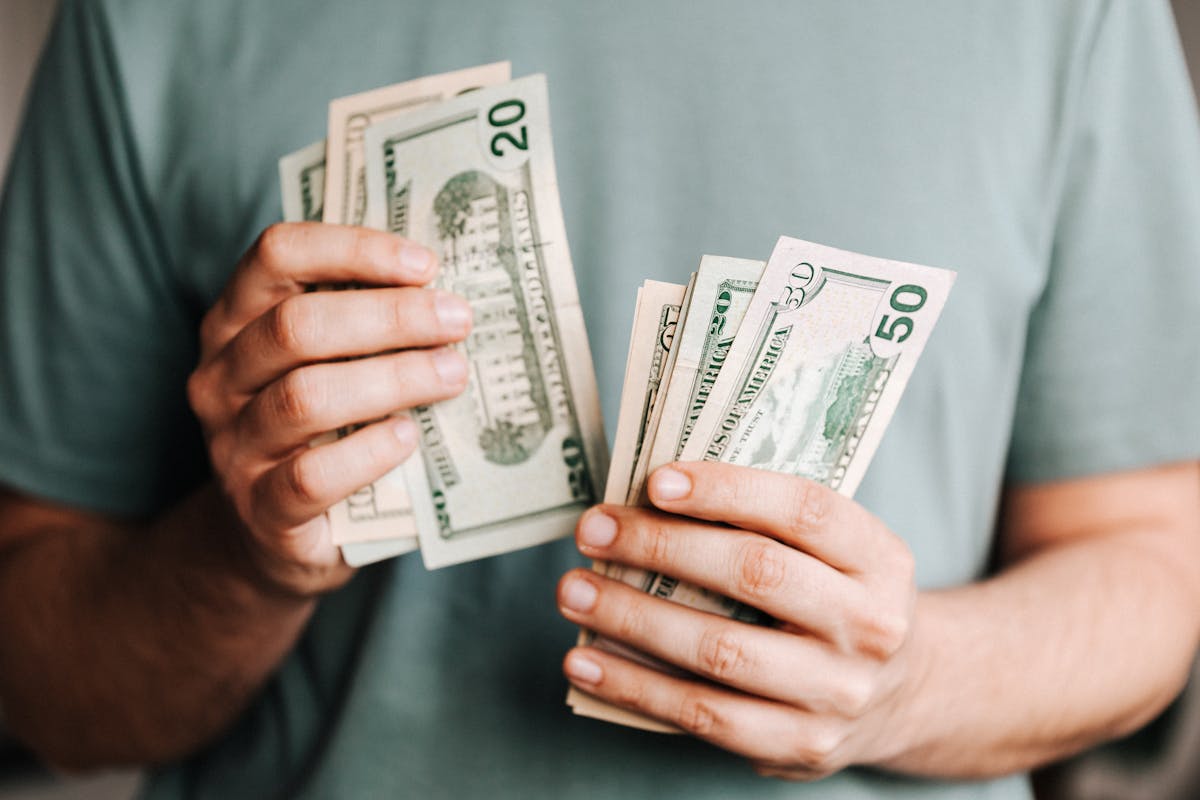
📷 Saving consistently — even small amounts — builds lasting security
Most people believe saving money is a privilege of high earners. They wait to earn more before they start saving — and that wait never ends. The truth is, saving is a habit, not a number. And habits are built at any income level.
"I'll save whatever's left at the end of the month." — There's almost never anything left. Saving last means saving nothing.
"I need to earn more before I start saving." — Waiting for a bigger income doesn't fix the habit. Most people who earn more just spend more.
"Small amounts don't matter." — $20/month invested for 20 years at 7% return grows to over $10,000. Small amounts always matter.
Pay Yourself First
Save before you spend — not after. Treat savings like a non-negotiable bill.
💰 Decide your savings amount
Start with just 5–10% of your income. Even $20 is a real start — don't let perfectionism stop you.
🏦 Open a separate savings account
Keep savings away from your spending account. Out of sight = out of temptation.
⚡ Automate the transfer on payday
Set up an automatic transfer the same day your salary arrives. Don't rely on willpower.
📊 Budget the rest
Only after savings are set, plan your bills and spending from what remains.
📈 Increase by 1% every 3 months
Gradually raise your savings rate. You won't feel a 1% change, but over time it compounds dramatically.
James — Customer Service Rep
Monthly take-home: $1,400 · Pays rent, transport, food
Humans spend what they see. When your savings leave your account automatically before you can see them, you naturally adjust your spending to what's left. It's not discipline — it's design. You engineer your environment so saving happens whether you feel like it or not.
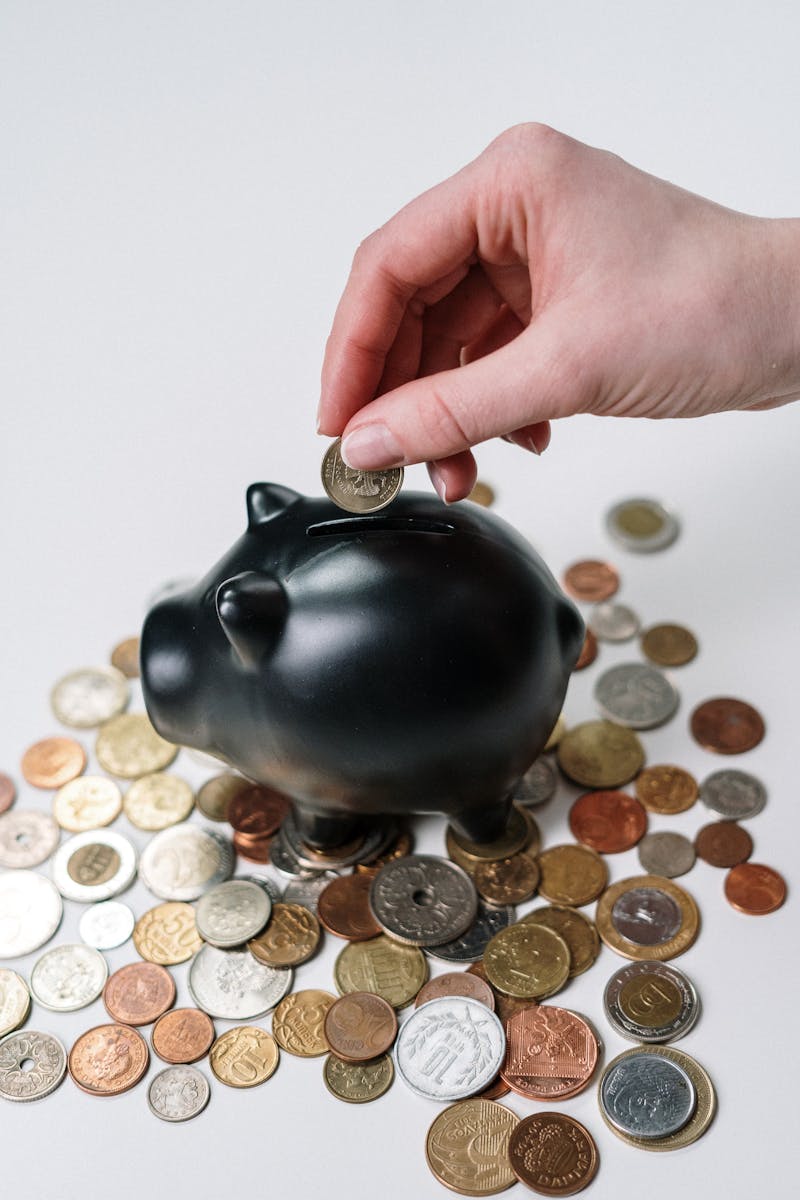
📸 Automating savings removes willpower from the equation
Set up a $20 automatic transfer for next payday
It takes 3 minutes. Open a second savings account, set a $20 monthly auto-transfer. That's it. You've started. Increase it when you're ready.
?? Short Summary
Saving "what's left" almost never works — save first, spend what remains
Start small — even $10–$20/month builds the habit that matters most
Automate the transfer on payday so you never rely on willpower
Increase your savings rate by 1% every few months — you'll barely notice